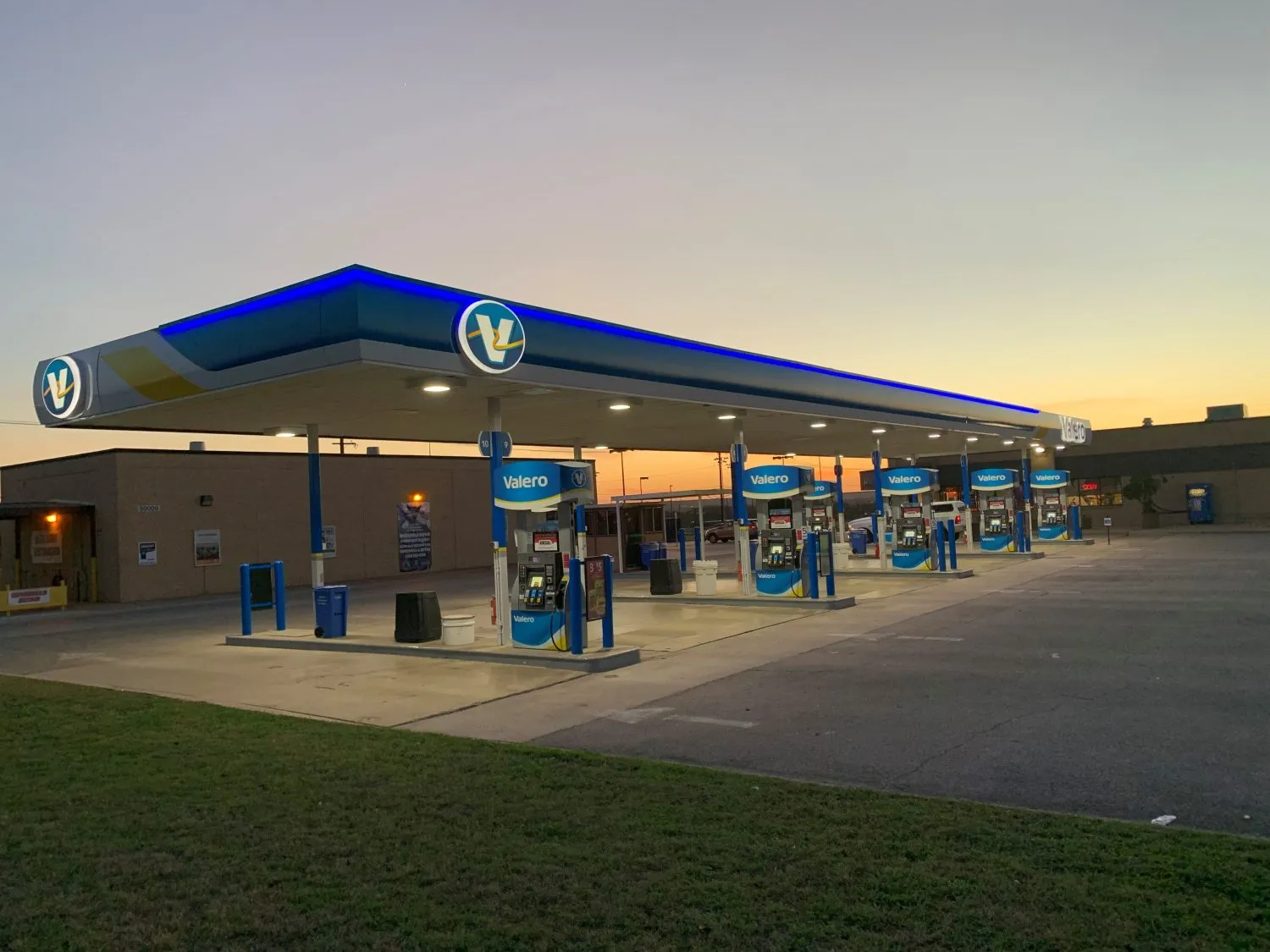
Reducing fleet operating costs is a top priority for businesses reliant on vehicle transportation. One effective strategy is implementing fuel cards, such as those offered by Valero Fleet Cards, to manage and control fuel expenses. These cards provide a comprehensive solution for monitoring fuel usage, controlling spending, and streamlining administrative tasks.
Understanding Fuel Cards
Fuel cards, also known as fleet cards, are specialized payment cards designed for businesses to manage fuel and vehicle-related expenses. They function similarly to credit cards but offer additional features tailored for fleet management, such as detailed reporting, spending controls, and fuel rebates. Valero Fleet Cards, for instance, offer up to an 8¢ per gallon rebate when used at Valero gas stations, providing significant savings over time .
Benefits of Using Fuel Cards
1. Cost Savings Through Rebates
Valero Fleet Cards offer tiered rebates based on monthly fuel consumption:
• 0–499 gallons: 1¢ per gallon
• 500–2,999 gallons: 3¢ per gallon
• 3,000–4,999 gallons: 4¢ per gallon
• 5,000–6,999 gallons: 5¢ per gallon
• 7,000–9,999 gallons: 6¢ per gallon
• 10,000+ gallons: 8¢ per gallon
These rebates can lead to substantial savings, especially for fleets with high fuel consumption .
2. Enhanced Expense Control
Fuel cards allow businesses to set specific purchase controls, including:
• Limiting purchases to fuel only
• Setting spending limits per transaction or per day
• Restricting purchases to certain times of day or days of the week
• Requiring driver identification numbers for each transaction
These controls help prevent unauthorized spending and reduce the risk of fraud .
3. Real-Time Data and Reporting
Valero Fleet Cards provide real-time tracking of fuel transactions, capturing details such as:
• Date and time of purchase
• Location of the fuel station
• Amount of fuel purchased
• Cost per gallon
This data is accessible through online dashboards and can be integrated with most accounting software, simplifying expense tracking and reporting .
4. Streamlined Administrative Processes
By automating fuel expense tracking, businesses can eliminate the need for manual receipt collection and expense reports. This not only reduces administrative workload but also minimizes errors in expense reporting .
5. Improved Fleet Maintenance Scheduling
Monitoring fuel consumption patterns can help identify vehicles that may require maintenance. For example, a sudden decrease in fuel efficiency could indicate engine issues. By addressing such issues promptly, businesses can prevent costly repairs and extend vehicle lifespan .
Implementing Fuel Cards in Your Business
To effectively reduce fleet operating costs using fuel cards:
Assess Your Fleet's Fuel Consumption: Determine your fleet's average monthly fuel usage to select the appropriate fuel card program and maximize rebate benefits.
Set Up Purchase Controls: Customize spending limits and restrictions based on your business needs to prevent unauthorized transactions.
Utilize Reporting Tools: Regularly review transaction reports to monitor fuel usage, identify trends, and make informed decisions about fleet operations.
Integrate with Accounting Systems: Leverage the compatibility of fuel card data with your accounting software to streamline expense tracking and financial reporting.
Train Employees: Ensure that drivers and relevant staff understand how to use the fuel cards properly and are aware of company policies regarding fuel purchases.